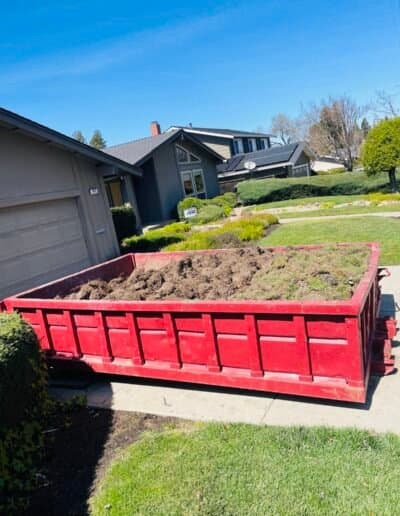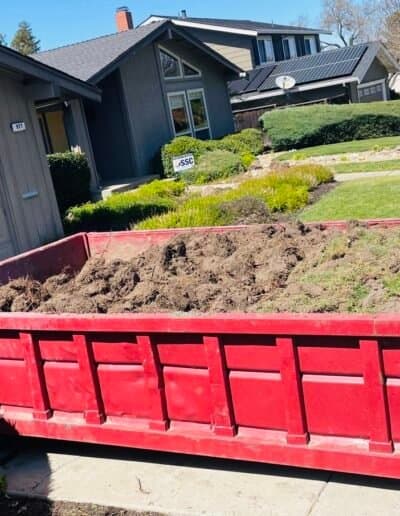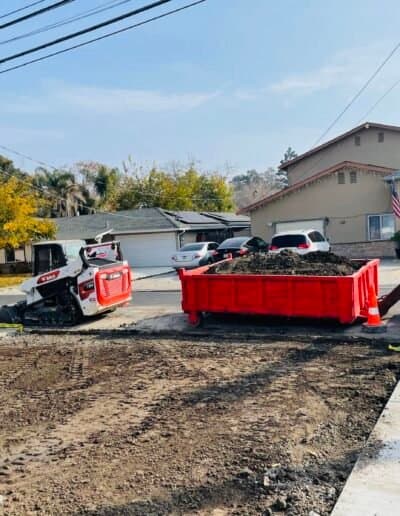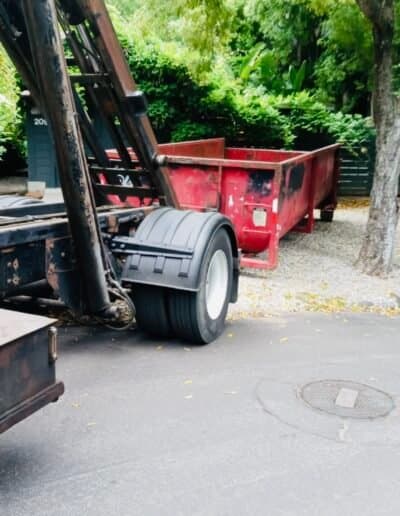
Every construction project generates waste — from framing scraps and drywall offcuts to old fixtures and packaging materials. Proper construction debris disposal isn't just about keeping your job site clean; it's a legal requirement in California with specific regulations about what goes where and how it must be handled.
Whether you're a general contractor running multiple jobs, a specialty tradesperson, or a homeowner managing your own renovation, this guide covers everything you need to know about disposing of construction debris safely, legally, and affordably in the Bay Area.
Types of Construction Debris
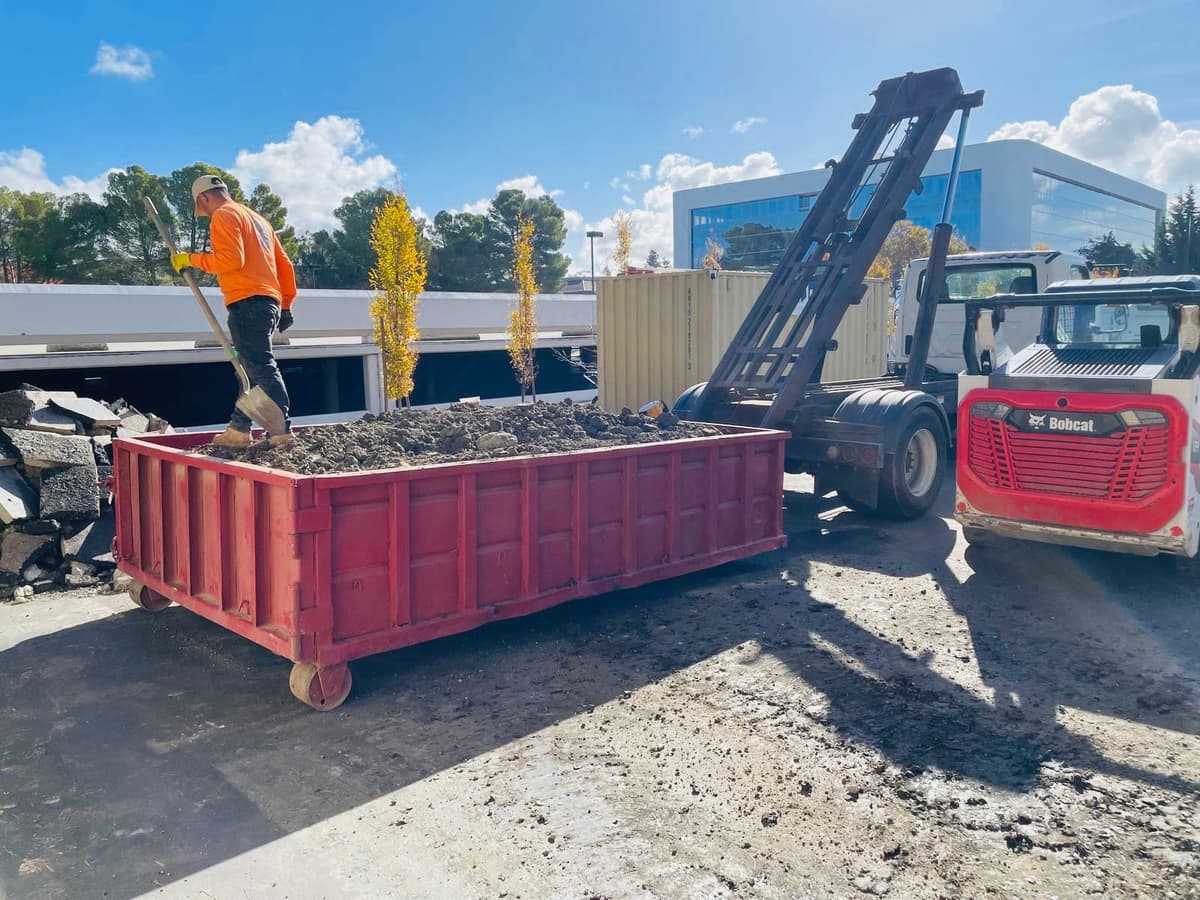
Construction and demolition (C&D) waste encompasses a wide range of materials generated during building, renovation, and demolition projects. Understanding what you're dealing with is the first step toward proper disposal:
Structural Materials
- Lumber and wood framing — Studs, joists, plywood, OSB, and trim pieces
- Concrete and masonry — Foundation pieces, blocks, bricks, mortar
- Metal — Steel beams, rebar, flashing, ductwork, pipes
- Drywall and plaster — Wall and ceiling materials from demolition or new construction
Finishing Materials
- Roofing — Shingles (asphalt, tile, or wood shake), underlayment, flashing
- Flooring — Tile, hardwood, laminate, carpet, vinyl
- Fixtures — Cabinets, countertops, sinks, tubs, toilets
- Windows and doors — Frames, glass, hardware
Miscellaneous Job Site Waste
- Packaging — Cardboard, plastic wrap, banding, pallets
- Insulation — Fiberglass batts, foam board, blown-in material
- Wiring and electrical — Old wiring, outlet boxes, conduit
- Plumbing — PVC, copper, cast iron pipes, old fixtures
California Construction Debris Regulations
California has some of the most progressive waste diversion laws in the country, and construction debris is a major focus. Here's what contractors and homeowners need to know:
CALGreen Building Standards (Title 24)
California's green building code requires that at least 65% of construction and demolition debris be diverted from landfills through recycling, reuse, or salvage. This applies to:
- All new construction projects
- Renovations and alterations
- Demolition projects
- Both residential and commercial buildings
Contractors must submit a waste management plan as part of the permit process in most Bay Area jurisdictions, documenting how C&D waste will be handled and what percentage will be diverted.
AB 939 and SB 1383
These landmark laws set statewide waste reduction targets. AB 939 requires 50% waste diversion, while SB 1383 targets organic waste specifically. For construction projects, this means:
- Wood waste should be recycled or repurposed when possible
- Concrete and asphalt must be recycled rather than landfilled when practical
- Metal is almost always recyclable and should be separated
- Mixed loads going to transfer stations will be sorted for diversion
⚠️ Important for Contractors
Failure to comply with California's C&D waste diversion requirements can result in permit delays, fines, and difficulty passing final inspections. Working with a waste hauler like TP Dumpsters that routes debris to certified recycling facilities helps you stay compliant without extra effort.
How to Sort Construction Debris
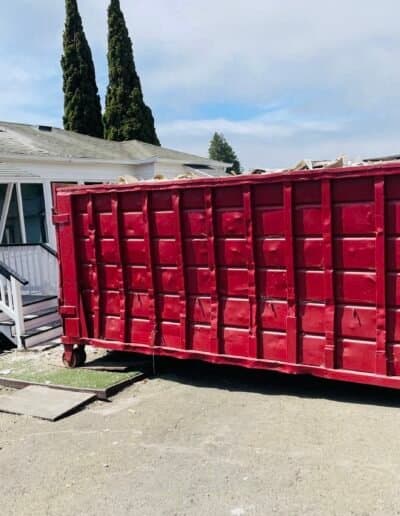
Sorting your construction debris at the job site saves money, improves recycling rates, and keeps your project compliant with California regulations. Here's how to do it efficiently:
Set Up a Sorting System
The most effective approach is to designate areas or containers for different material types right from the start of the project:
- Clean wood — Untreated, unpainted lumber can be recycled into mulch, particle board, or biomass fuel
- Metal — Always separate metals. Scrap yards pay for copper, aluminum, and steel, so this can actually offset your disposal costs
- Concrete, brick, and masonry — These are crushed and recycled into aggregate for road base and fill material
- Drywall — Clean, unpainted drywall can be recycled into new gypsum products
- Mixed debris — Everything else goes in the general roll-off dumpster for sorting at the transfer station
Benefits of On-Site Sorting
- Lower disposal costs — Clean, single-material loads often cost less to dispose of than mixed loads
- Easier compliance — Pre-sorted materials make it easier to document your diversion rate
- Potential revenue — Scrap metal can be sold, offsetting some of your waste management costs
- Cleaner job site — Organized waste management keeps the work area safer and more productive
Best Practices for Contractors
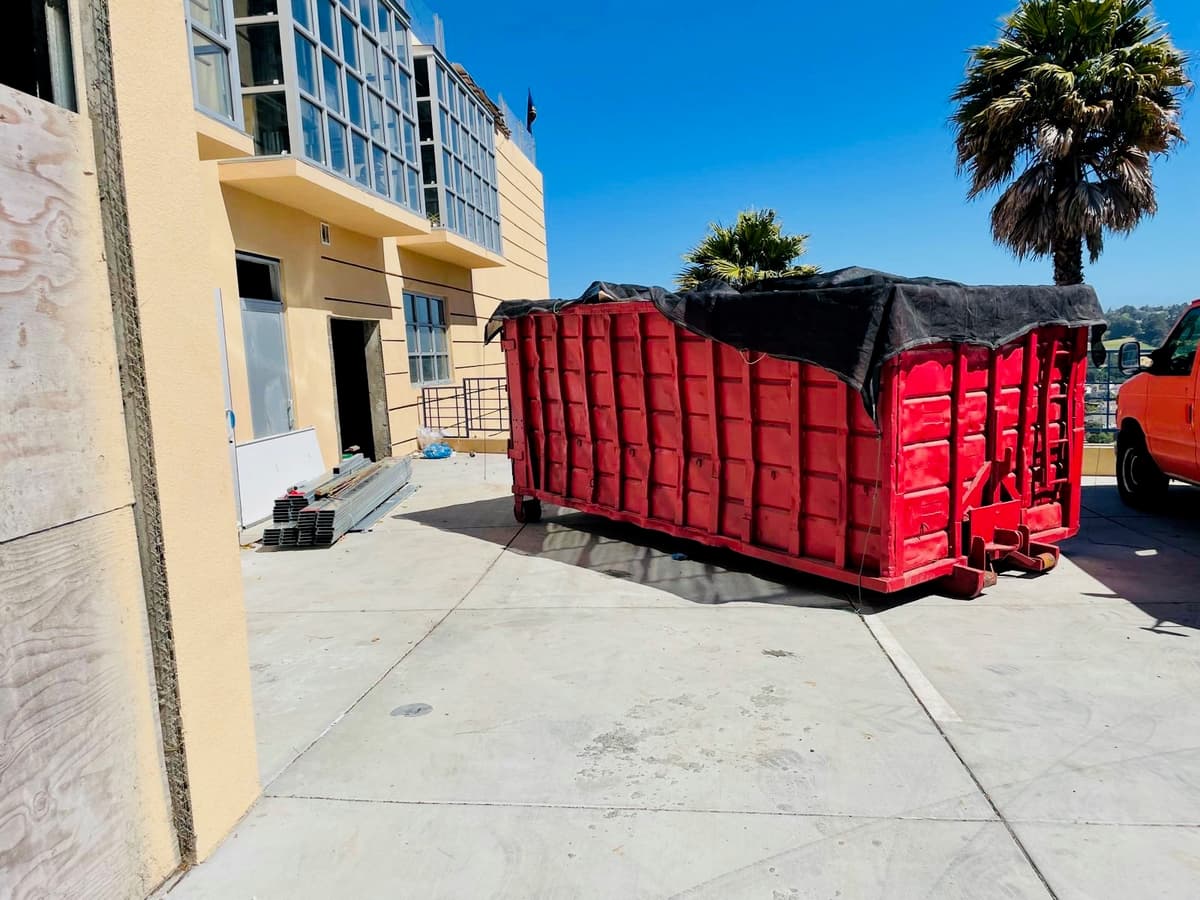
Whether you're running a small remodel or a major commercial build, these best practices for construction debris disposal will save you time, money, and headaches:
Plan Waste Management Before Breaking Ground
- Estimate debris volume based on project scope — our sizing guide can help
- Order your dumpster before demo day so it's on-site when debris starts piling up
- Consider multiple dumpsters for large projects — one for heavy materials, one for general debris
- Schedule regular pickups for ongoing projects rather than waiting for containers to overflow
Keep Your Job Site Clean
- Don't let debris accumulate on the ground — load it into the dumpster daily
- Position the dumpster close to the work area to minimize hauling distance
- Assign a crew member to manage waste at the end of each work day
- Keep the area around the dumpster clear for safe access
Know What Can't Go in the Dumpster
Even on a construction site, certain materials are prohibited from roll-off dumpsters. These include:
- Asbestos-containing materials — Requires certified abatement and special disposal
- Lead paint debris — Regulated as hazardous waste when generated in large quantities
- Chemical solvents and adhesives — Must be disposed of through hazardous waste programs
- Fuel and oil containers — Unless completely empty and dry
For a complete list, see our article on what can and can't go in a dumpster.
Choosing the Right Dumpster for Construction Projects
For construction debris, dumpster selection depends on the type and volume of material:
10 Yard
Small bathroom remodel, single-room renovation, minor repairs
Good for concrete/masonry (heavy but low volume)
20 Yard
Kitchen remodels, roof tear-offs, multi-room renovations
Most popular for residential construction
30 Yard
New construction waste, full demolitions, commercial projects
Handles large-volume materials like lumber and drywall
TP Dumpsters: Trusted by Bay Area Contractors
Contractors across Oakland, Concord, Richmond, Hayward, and the greater Bay Area rely on TP Dumpsters for reliable, hassle-free construction debris disposal. Here's why:
- Same-day delivery — Get a dumpster on-site fast so your project stays on schedule
- Flexible scheduling — Regular pickups and swaps for ongoing projects
- Transparent pricing — All-inclusive quotes with no hidden fees. We include delivery, rental, and disposal.
- Bilingual support — Our team speaks English and Spanish, serving our diverse Bay Area construction community
- Compliant disposal — We route C&D waste to certified recycling and transfer facilities
- Contractor-friendly service — We understand job site logistics and work around your schedule
Need a dumpster for your next project? Book online or call (510) 650-2083 for a free quote.
Construction Dumpster Rentals Made Easy
Same-day delivery. Transparent pricing. Trusted by contractors across the Bay Area.